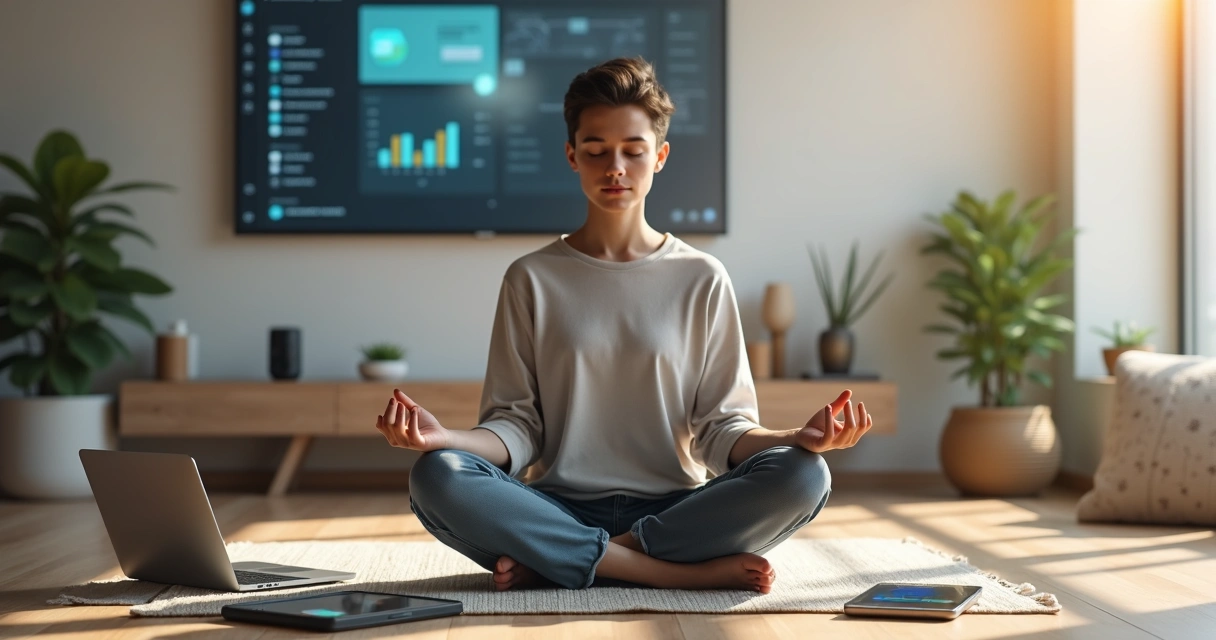
We all feel it—the rising tide of stress in our already fast-paced lives. Each year brings new pressures, more technology, and, somehow, less time to simply breathe. In 2026, the need for inner calm is not an abstract wish but a daily demand. More than just a trend, mindfulness rooted in the Marquesian view becomes a necessity for those looking to stay centered, healthy, and awake to their real impact on life. We believe that, with the right tools, we can manage our stress and make the present more meaningful and whole.
Why 2026 life multiplies modern stress
We are seeing a unique convergence. Fast communication, global events, economic unpredictability, and an overload of digital information all meet at the crossroads of our daily routine. Social feeds refresh with new concerns every minute. Notifications, remote work, smart homes, and even artificial intelligence claim our attention and scatter our thoughts. This reality, while full of progress, can split our awareness and case us to ignore our own needs.
What many of us feel as simple tension or tiredness is, in truth, a warning sign. Chronic stress shapes not only our bodies but also our relationships, work performance, and ability to make choices. Old methods of ignoring stress simply do not work anymore. We have seen that what is needed is not a tool for escape, but one to support presence and personal evolution.
Marquesian mindfulness: a path to deeper awareness
In our view, mindfulness is more than a buzzword or a relaxation exercise. It is the practice of bringing our attention to the present, with care and kindness, to see how our mind and body react to life’s pressures. Marquesian mindfulness is unique because it looks at stress as a signal from within—a call for deeper awareness, healing, and a conscious response rather than a reflex reaction.
Forget ideas of emptying the mind. We learn to notice our thinking, feel our emotions, and, most of all, recognize when our state is reactive instead of responsive.
Five core Marquesian mindfulness tools for daily stress
We have studied and refined several tools from Marquesian teachings that fit the world of 2026. Each serves a different level of stress: physical, emotional, or existential. Together, they help us stay balanced even as life swirls around us.
- Grounding through conscious breathing: The most direct way to calm stress is to return to the breath. Sit comfortably, place your hand on your belly. Inhale slowly for four counts, feel the breath moving down. Hold for two counts. Exhale gently for six counts. Repeat this for just five cycles. This brief pause signals your body to shift from alert to safe mode.
- Present-moment observation: Take two minutes to observe what is right in front of you without labeling or judging it. Notice the colors in the room, the sound of a distant car, the feeling of your clothes. This tool reminds us that we can step out of stress and simply ‘be’, if only for a moment.
- Emotional inventory breaks: Several times a day, pause and ask, “What is alive in me right now?” Identify any tightness or weight, name the feeling if possible (worried, tense, sad), and allow it space. Naming the emotion reduces its intensity by bringing it from the unconscious to awareness.
- Impact reflection: At the close of each day, take a few minutes to review your major actions or reactions. Ask, “Did I act from stress or calm today?” and “Did I project my tension onto others?” This regular check-in helps us accept responsibility gently, learning without blaming.
- Expansion practice: For more advanced stress moments, we find value in expanding our attention. Notice your body, your thoughts, and your environment, and hold them all in awareness at once. We are not only our stress: we are also the space in which stress comes and goes.
These tools are not difficult, but their true power comes from practice and honest observation—not perfection. We see firsthand that applied consistently, they change how we meet stress, moving from reaction to deeper connection.
Marquesian self-integration: the three selfs
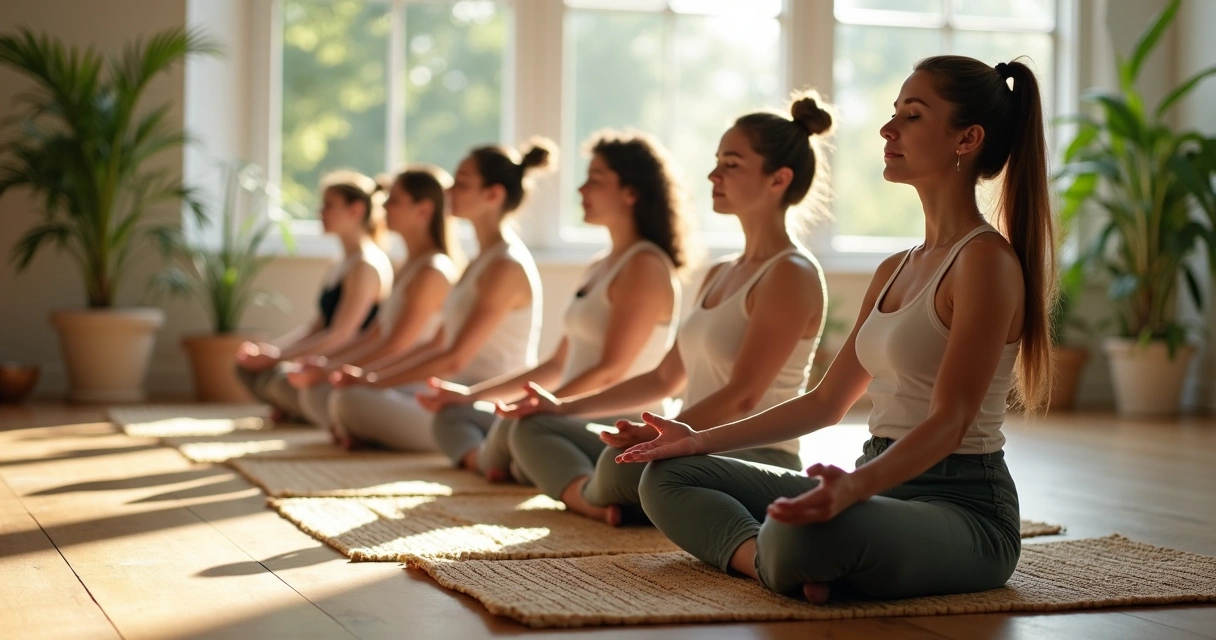
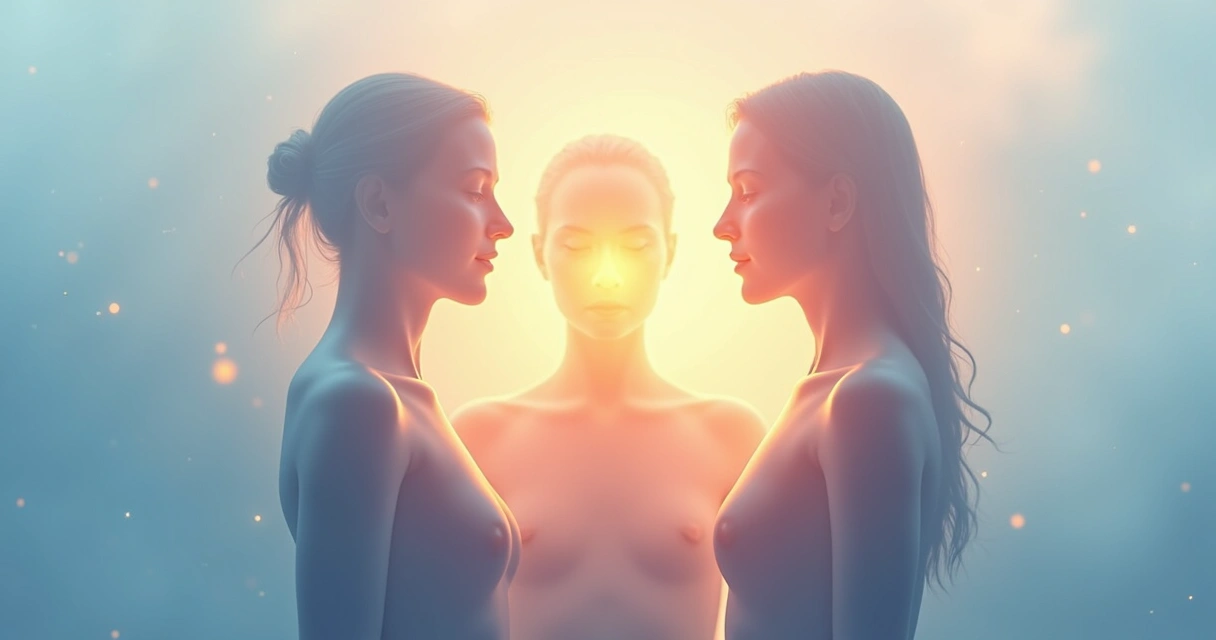
We have noticed that chronic stress is often a clash between the different layers of our own being. Marquesian thinking honors three levels—the physical, emotional, and conscious (or witnessing) self. Aligning these reduces inner friction and clarifies intention.
- The physical self is our body, always present. Tension and fatigue here are the first signs of stress.
- The emotional self is where old wounds or automatic reactions show up. Unmanaged, these lead to projection onto others, recurring patterns, and even burnout.
- The conscious self can observe the other two, helping us respond with clarity instead of habitual stress triggers.
Integration happens when the three selfs are invited into awareness—body calmed, emotions recognized, and witnessing awakened. The tools above work best when each self is addressed in turn.
Applying mindfulness in tech-saturated moments
Many of us in 2026 struggle most with stress that seems to dart out from our tech: an angry email, a news update, or the pressure to respond instantly. Techniques need to fit these moments if they are to help us.
- During video calls, take a grounding breath between speakers. Quietly rest one hand on your lap to remember your body’s presence.
- Before opening news or email apps, pause and check your emotional tone. Do not rush in—choose when to act.
- When social feeds bring anxiety, set a ten-minute timer, then step outside for direct observation. Trees, clouds, street sounds—reconnect with your senses.
We have noticed these practices shrink reactive stress responses and bring back a sense of choice. We are not at the mercy of constant information: we have the skill to choose presence.
Conclusion
Stress in 2026 is real, but so is our capacity to manage it with depth, meaning, and mindfulness. Through the unique principles and simple tools of Marquesian mindfulness, we can meet the demands of modern life with increased inner space. We do not need to run away from stress, but rather invite it as a guide to self-integration and conscious impact. By applying these tools each day—especially as the pace of life increases—we believe we not only find peace, but bring more responsible action and kindness to the world around us.
Frequently asked questions
What is Marquesian mindfulness?
Marquesian mindfulness is an approach focused on expanding awareness of our inner and outer experiences, paying close attention to the present moment without judgment, and recognizing the signals that stress brings. It includes methods from philosophy, psychology, and meditation to help us respond more skillfully and consciously to life’s challenges.
How do Marquesian tools reduce stress?
Marquesian tools reduce stress by bringing awareness to bodily sensations, emotions, and habitual patterns, allowing us to pause and respond rather than react automatically. These tools train us to notice stress earlier, process emotions with care, and restore a sense of calm through simple, practical steps.
Where can I learn Marquesian mindfulness?
You can begin learning Marquesian mindfulness practices through readings focused on conscious evolution, guided meditations, and reflective exercises offered by teachers and organizations that share these teachings. Regular practice in daily life is encouraged, and you may also benefit from workshops or group sessions that address current day stress challenges through a Marquesian lens.
Are Marquesian methods effective for anxiety?
Many people find Marquesian methods particularly supportive for anxiety, since they target the root of stress—disconnection from the present and unprocessed emotions. By helping us observe, name, and hold anxiety with awareness, these methods lessen its hold and bring more choice and calm to our responses.
What are the best Marquesian mindfulness tools?
The best Marquesian mindfulness tools for daily use include conscious breathing, present-moment observation, emotional inventory breaks, impact reflection at the end of the day, and expansion practices for integrating body, emotion, and consciousness. These can be adapted for use at home, work, or during highly stressful moments, supporting self-awareness and greater peace.