


In our experience, many people wish to respond thoughtfully to life's emotional moments but feel overwhelmed or unclear inside. We have seen how the right meditation techniques can make a real difference in daily life. Marquesian meditation, created with an understanding of expanding consciousness, offers practical ways to find clarity in our emotions and stay present with ourselves.
Understanding emotional clarity
Before we learn about meditation methods, we need to know what emotional clarity is. Emotional clarity is the ability to recognize, accept, and understand our feelings as they appear, without letting confusion or reaction take over our actions.
We often notice that emotions can feel like a dense fog. When we are not clear on what we feel, we might act impulsively, speak harshly, or regret our choices later. Emotional clarity helps us to:
- Observe what we truly feel, even if it is uncomfortable
- Separate emotion from automatic reaction
- Respond to situations with more depth and responsibility
The clearer we become with our emotions, the more conscious our choices will be.
The principles behind Marquesian meditation
In our studies, we identified certain foundations that bring depth to meditation techniques focused on emotional clarity. These are not just steps, but attitudes that shape the way we approach our inner world. Here are some core principles we have found valuable:
- Presence: Placing our complete attention on the sensations and feelings happening right now.
- Non-identification: Not confusing our true self with our emotion; instead, we observe the emotion as a passing state.
- Acceptance: Allowing any feeling to arise without judgment, while remaining curious instead of critical.
To become clear, we must first become present.
Step-by-step Marquesian meditation methods
Now we will share the meditation techniques designed to help us reach better emotional clarity. These methods combine traditional wisdom with systemic understanding of human behavior and consciousness. We recommend practicing them regularly, even when you are not experiencing strong emotional waves, so that you are more prepared when they appear.
Body scan for emotion awareness
We start by bringing our attention to our body. Sometimes emotions hide as small tensions, heat, or tingles inside us. Begin by sitting comfortably, relaxing your hands on your lap or knees. Close your eyes gently, and breathe normally. Start scanning from head to toe:
- Notice any tightness or discomfort in your face, jaw, or neck. Breathe into these spots.
- Scan downward to your chest, stomach, arms, and hands. Ask quietly: “What am I feeling here?”
- Continue through hips, legs, and feet. Remain patient with each area, even if nothing seems to appear at first.
With each breath, let yourself feel what is present, warmth, heaviness, tingling, or even numbness. These body signals are the first signs of emotional information rising to the surface. We have seen that this practice, simple as it sounds, opens the door to recognizing how emotions shape our body.
Labeling emotions without judgment
Once we connect with the sensations, we name them. This is not about getting the label perfect, but about meeting our emotion as honestly as we can. We recommend using short, clear words:
- Anger
- Fear
- Joy
- Sadness
- Confusion
Notice if you want to argue with or dismiss what appears. If you feel resistance or shame, include those feelings too. Say silently, “Sadness is here” or “Frustration feels heavy in my chest.” Giving our emotion a name brings it into the light, making it easier to work with.

Breath anchoring during emotional storms
Sometimes, emotions become very strong. When this happens, our mind often tells us stories or spirals into judgments. We have found that anchoring attention to the breath allows emotions to pass more gently:
- Breathe in slowly for four counts. Notice the cool air entering.
- Pause for a moment, feeling how your body reacts.
- Exhale slowly for four counts, noticing the warmth as you let go.
- Repeat, letting your attention rest on the simple act of breathing.
This steady rhythm does not push the emotion away; instead, it gives a stable space for the wave of feeling to rise and fade. The breath grounds us when our thoughts are swirling.
Marquesian reflection: conscious questioning
We take the meditation a step deeper by asking conscious questions. During or after the previous steps, inquire within:
- What message might this emotion be offering me?
- Is there something I am avoiding that wants to be seen?
- Can I remember a time when this feeling first appeared in my life?
Do not force an answer. Just pose the question gently and listen. Sometimes, a memory, insight, or deeper feeling will surface. Other times, silence or confusion remains, and that is fine. This part of Marquesian meditation opens us to learning from our emotions, rather than fighting or avoiding them.
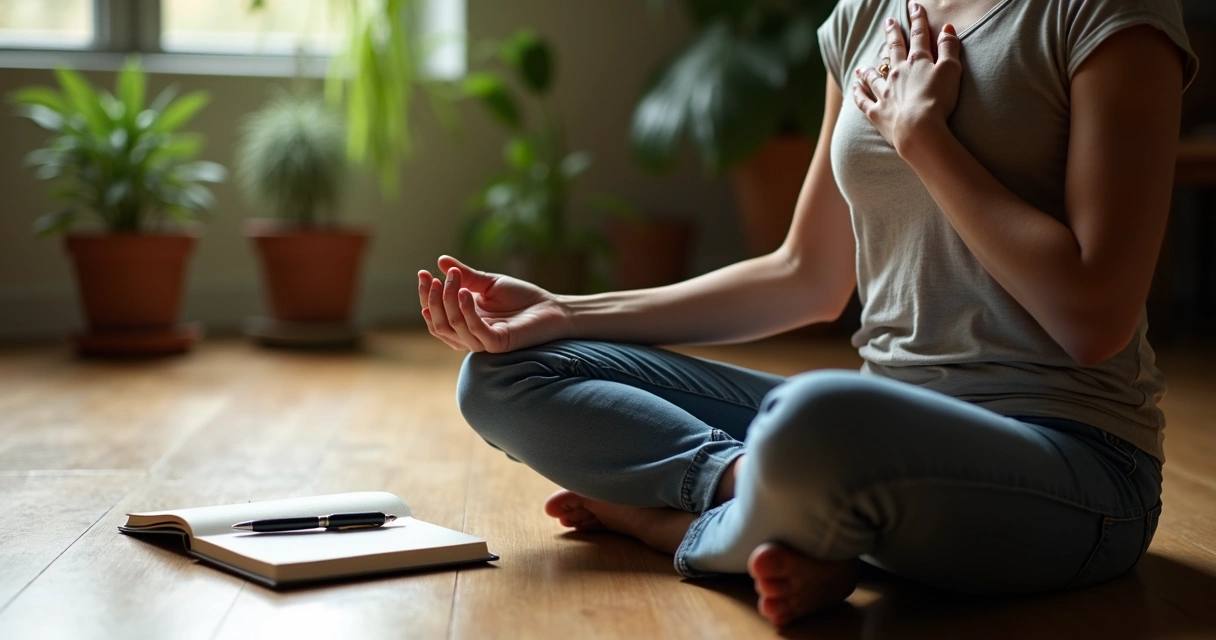
Building emotional clarity into daily life
We have learned that the most meaningful changes happen when meditation leaves the cushion. Here are the ways we bring emotional clarity into daily living:
- Take regular “pause moments” during your day to feel your body and ask: What am I feeling now?
- Keep a short journal of your feelings, naming one main emotion each evening
- Before challenging conversations, practice breath anchoring to approach with more calm
- When overwhelmed, step away briefly to do a body scan
Consistency is more helpful than long or forced sessions. A few minutes of honest attention, day after day, shift our baseline clarity. This does not remove emotions but gives us space to engage them wisely.
Why does emotional clarity matter?
Some may wonder if this effort is worth it. In our experience, emotional clarity leads to healthier relationships, better decisions, and more inner calm. We see that instead of reacting out of habit, we respond from a place of authentic choice. Emotional clarity is not about controlling what we feel, but relating to our feelings in a responsible and compassionate way.
Clarity brings freedom.
With steady practice, new qualities begin to emerge—patience, empathy, and self-trust. These are not gifts given from the outside but abilities we develop as our consciousness grows.
Conclusion
When we use Marquesian meditation techniques, we do not escape or suppress our feelings. We meet them, understand them, and become partners in our own growth. This path requires presence and patience, but what we gain is worth it: a mind that sees clearly, a heart that welcomes all it finds, and a life built on conscious choice.
Frequently asked questions
What is Marquesian meditation technique?
Marquesian meditation technique is a practice focused on expanding consciousness and achieving emotional clarity through steps like body awareness, labeling emotions, mindful breathing, and conscious self-questioning. It combines attention to the present moment with a welcoming attitude toward all inner experiences.
How can it improve emotional clarity?
By guiding us to slow down, observe our emotions, and relate to them with acceptance, Marquesian meditation helps us see feelings as they are. This clarity lets us respond with more understanding and less confusion or impulsivity.
Is Marquesian meditation easy to learn?
We find that the basics are easy to start, even for those new to meditation. The steps are simple and do not require special equipment or long sessions. With patience and regular practice, most people grow into the method and see results over time.
Where to find Marquesian meditation guides?
You can find detailed instructions in books or trusted online sources written by experienced teachers. Look for resources that focus on emotional awareness, present-moment practices, and conscious questioning, as these are all central to this form of meditation.
What are the best practices for beginners?
We encourage starting with short sessions, focusing mainly on body awareness and labeling emotions without judgment. Practice daily, even for a few minutes. Choose a quiet space, sit comfortably, and remember that the goal is not to control emotions, but to observe and accept them with openness.