


Parenting today comes with unique challenges and deep opportunities. We often hear that our children are a reflection of us, yet with Marquesian concepts, we start seeing a more complex picture—one where parenting becomes an open space for expanding our own awareness and helping children flourish in theirs. In our experience, conscious parenting is not about control or perfection but about connecting, understanding, and being deeply present. Step by step, we can nurture souls, not just shape behaviors.
Understanding the heart of conscious parenting
Conscious parenting means raising our children with self-awareness, intention, and genuine respect for their individuality. Instead of relying on automatic reactions or passed-down patterns, we stop and look inside ourselves. We choose how to respond, not just how to react.
In our view, Marquesian concepts give conscious parenting a strong foundation. They invite us to look at how our own consciousness shapes the family. When our state of mind improves, our parenting shifts, too. Small changes ripple out.
Growth begins with our own inner work.
Exploring the five pillars: Bringing Marquesian concepts into daily family life
Drawing from the five Marquesian sciences, we have noticed several ways they enrich parenting. Each of these pillars opens a door to deeper understanding and gentler relationships at home.
- Philosophy: Reflecting on the meaning of evolution in parenting
We find that asking ourselves, "What do we really want for our children?" shifts our focus. Is it achievement alone, or do we also hope for emotional strength, kindness, and conscious living? In reflecting like this, we bring intention into each word and action. Parenting becomes less about fixing children, and more about guiding them with wisdom.
- Psychology: Recognizing and releasing emotional blockages
Our history shapes the way we parent. Often, our fears and expectations creep into the way we discipline or respond. Marquesian psychology teaches us to notice these patterns. When we catch ourselves repeating what we once experienced—like using fear instead of calm—we can choose to stop. This self-awareness allows us to break cycles and create a safer emotional space for our children.
- Meditation: Shifting our state before responding
One of the simplest yet powerful habits is pausing to breathe before reacting. In our homes, taking a few mindful breaths when anger rises or stress boils over equips us to reply thoughtfully instead of automatically. Meditative pauses teach children, by example, how to sit with feelings and respond, not just react.

- Integrative systemic constellation: Noticing family patterns and shared histories
It is common to see family stories or conflicts repeat across generations. Sometimes, we notice our child's stubbornness mirrors an uncle or that tension at the dinner table repeats our own childhood struggles. The Marquesian constellation perspective helps us gently explore these patterns. By naming them and discussing family history, we give everyone in the house context and understanding. This conversation makes hidden patterns visible, making change possible.
- Human valuation: Choosing conscious, responsible impact daily
Each choice we make has an impact. Instead of perfection, we look for responsibility—owning our mistakes and celebrating our progress. We have seen that when parents apologize sincerely or share their efforts to improve, children learn true accountability. Responsibility becomes an invitation, not a punishment.
Simple practices to bring consciousness home
Connecting Marquesian ideas to everyday moments is less complicated than it seems. We have worked with families who make small, meaningful changes, and the results can be seen in little things—the mood at breakfast, how arguments end, or the questions kids begin to ask.
- Start each day with presence
In the morning, before busy thoughts and worries crowd in, try sitting silently for a few minutes with your child. No need for words—a gentle hand or nearby presence sets a tone of safety. This helps both parent and child begin from a stable place.
- Practice emotional check-ins
We suggest setting aside a few minutes every day to talk about feelings, without judgment or problem-solving. Simple prompts work: "How is your heart feeling today?" "Did anything feel hard?” Opening space to listen gives your child deep permission to be themselves.
- Notice the stories we tell
Children listen keenly to how we talk about ourselves, others, and the world. Try to notice if your words carry fear, scarcity, or blame. When a child hears, "Mistakes help us learn," or "We can always try again," resilience grows.
- Pause and breathe before reacting
Most parents know the feeling—a burst of frustration or fatigue. In these moments, a simple breath or a quick walk around the room can change the energy. These small pauses signal to children that emotions can be managed and are safe to feel.
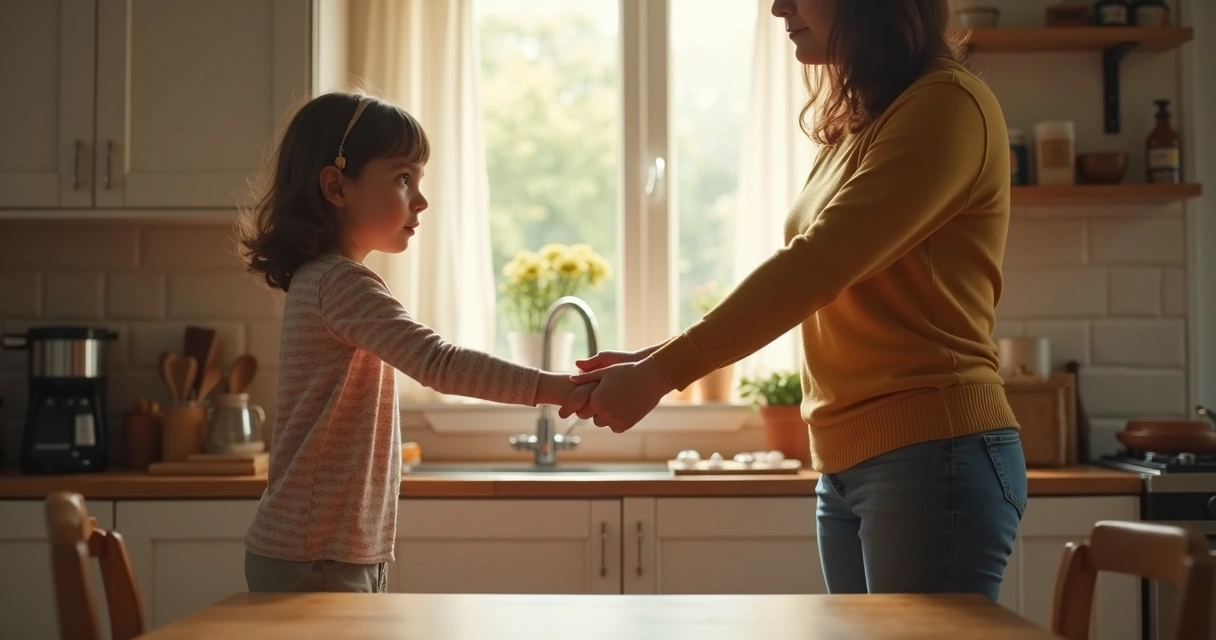
- Create family rituals of gratitude and repair
Sharing gratitude each evening or having a simple "repair time" after a disagreement helps rebuild trust. As we say “I’m sorry, I lost my patience,” children learn that connection always matters more than being right.
Honoring individuality and the path of growth
Every child arrives with a unique temperament and path. In our experience, conscious parenting honors this diversity, supporting children to become more themselves—not copies of us or someone else’s standard. Marquesian concepts help us see that diversity in consciousness is as valuable as diversity in culture or ideas.
Progress is gradual. There will be days that feel heavy, and days that feel light. What matters is the willingness to keep returning to awareness and responsibility. No parent is perfect, but every parent can become more conscious—one moment, one decision at a time.
We grow as our children grow.
The heart of the journey: Everyday evolution
If we look closely, conscious parenting is less about managing a child and more about expanding our own hearts. Our presence, our words, and our ability to reflect shape the family’s evolutionary path. Marquesian principles remind us that true change starts inside and moves outward, touching each relationship along the way.
The process is ongoing. Each morning brings fresh chances, and each evening a time to reflect. With patience and self-compassion, conscious parenting becomes a lived experience, not just an ideal. Step by step, we help our children—and ourselves—become more self-aware, loving, and engaged with the world.
Conclusion
In our experience, bringing Marquesian concepts into parenting can feel like clearing a path through the woods. There are tangled moments, unexpected obstacles, and sudden clearings filled with light. The main idea is not to perfect our children or ourselves, but to learn together, with presence and intention. As we accept the journey, we offer our children the same freedom: to grow, to wonder, and to bring their whole selves into a more conscious world.
Frequently asked questions
What is conscious parenting?
Conscious parenting is the practice of raising children with awareness, intention, and empathy, focusing on understanding both the child's and the parent's needs and emotions. It emphasizes mindful choices over automatic reactions, creating a nurturing environment for growth and individuality.
How do Marquesian concepts help parenting?
Marquesian concepts support parenting by encouraging self-reflection, emotional responsibility, and compassionate connection. They help parents recognize old patterns, respond thoughtfully, and integrate practices like meditation, philosophy, and shared family values into everyday routines.
Are Marquesian parenting methods effective?
In our experience, these methods foster deeper connection, reduce conflict, and encourage both parents and children to grow emotionally. Families often notice more open communication, a calmer household, and greater trust between members.
Where can I learn Marquesian parenting?
You can learn Marquesian parenting through reading, self-inquiry, and practicing the concepts with your family in everyday life. Joining parenting groups, participating in workshops, or working with a guide familiar with Marquesian ideas may bring added support.
Is conscious parenting hard to start?
Starting conscious parenting can feel challenging, but simple practices like pausing before reacting or having open conversations with your child are accessible to anyone. Small steps often lead to meaningful changes over time.