


Society shapes us not only through big events, but in the smallest habits we share—those we barely even see. We imitate, repeat, and pass on routines without questioning where they came from or what they do. For generations, these habits can carry wounds, silences, and unresolved pain. In our experience, the cycles of collective trauma are rarely formed by isolated incidents. Instead, they are powered and cemented by the familiar patterns we live daily.
Understanding collective trauma and its ripple effects
Collective trauma is a wound carried not just by an individual, but by groups, communities, or entire societies. It can begin with a shared experience—war, disaster, violence, systemic injustice—but it survives much longer in the fabric of our daily lives. We witness trauma, hear stories from older relatives, or pick up on unspoken tensions. Sometimes, the origin is far away, but the pattern stays close.
These collective wounds echo through time because of invisible agreements. Families teach their children not to talk about certain subjects. Communities avoid "rocking the boat." At work, we may see generations accepting unfair treatment as "just the way things are." Habits settle, and soon, new generations act them out—rarely understanding the quiet power beneath them.
Unspoken routines can carry old pain forward, quietly repeating history.
Daily social habits: vehicles for inherited pain
In our daily experience, social habits start as tools for belonging. We mimic the behavior of others to be accepted. Yet, these acts can conceal and preserve the very things we wish to leave behind.
- Greeting each other without asking how we truly feel, prioritizing surface calm over honesty.
- Keeping silent about struggles or failures, fearing shame or judgment.
- Discouraging emotional openness, especially in public or between generations.
- Normalizing stress and overwork as marks of strength, instead of noticing signs of burnout.
- Joking about pain or difficulty, trivializing others' experiences as a cultural default.
These routines don't only preserve harmony—they can suppress necessary conversations, blocking the healing of old wounds.
Why do we keep repeating these cycles?
We believe there are several factors that help explain this pattern:
- Fear of exclusion or rejection: Change can feel risky. When we see others repeating the same behaviors, we worry about standing out or losing connection.
- Lack of conscious awareness: Since most habits are learned unconsciously, people may not realize that a routine is rooted in trauma.
- Generational loyalty: There can be a strange comfort in repeating what parents or elders did, even when it causes discomfort or suffering.
In our observations, challenging these habits can stir up anxiety, guilt, or even anger. The old habits seem safer, even if they keep us stuck.
Common social habits that fuel trauma cycles
The patterns often show up in ways many recognize:
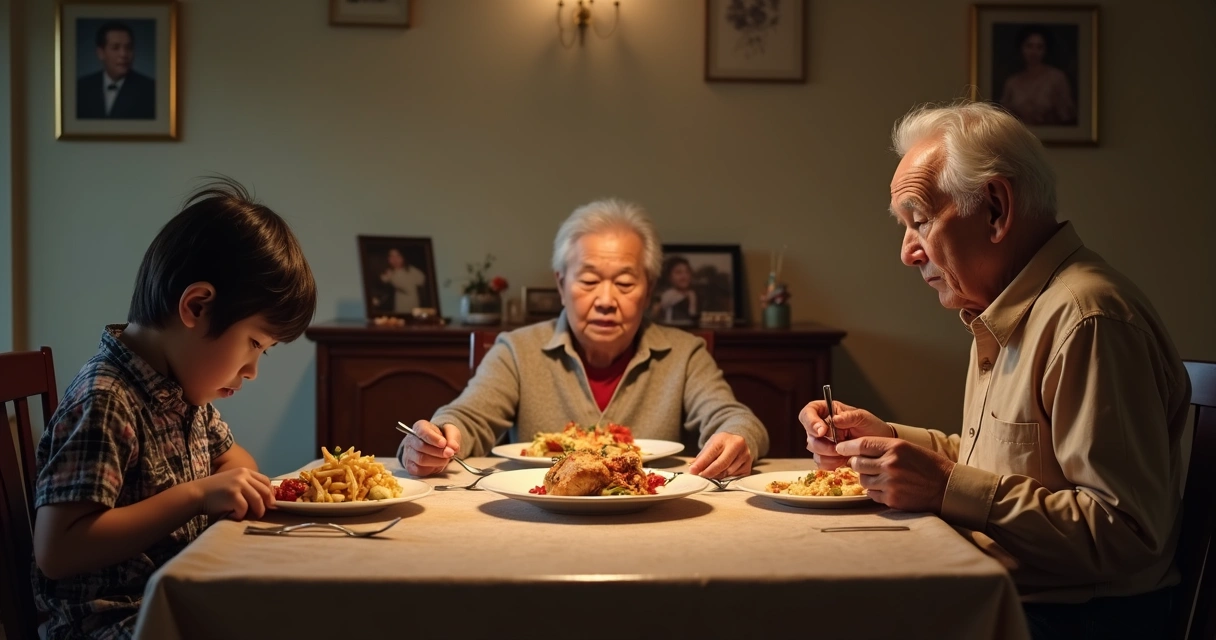
- Families avoid emotional topics, creating an invisible rule: don’t feel, don’t speak.
- Groups use humor or sarcasm to dismiss painful stories, turning them into jokes and minimizing their seriousness.
- In schools, bullying or exclusion is treated as a part of growing up, rather than being addressed early.
- Organizations ignore toxic behavior for the "greater good" or "success", asking others to tolerate it.
- Whole communities can normalize prejudice or marginalization, passing it off as tradition or culture.
What begins as small, repeated acts becomes a cycle—an unending circle unless someone chooses to see it and interrupt it.
The psychological chain reaction of social habits
When we reinforce trauma through habits, we also create a culture of emotional self-protection. People in these systems often learn:
- To numb or ignore their emotions, believing feelings are problems to be hidden.
- That asking for help will be met with punishment or ridicule instead of support.
- That to belong means silencing their true self, just to keep the peace.
This chain reaction keeps individuals isolated. While many crave support or change, they feel alone, assuming others want to keep things as they are. In our experience, this is rarely true. Most people wish for something different, but do not want to be first.
We are not as alone in our desire for healing as we might think.
Visibility: the first step to breaking the cycle
It is not enough to simply notice what hurts. We have to see the patterns for what they are: old habits shaped by old wounds—not unsolvable facts of life, but routines we can choose to rethink, together. When people share their experiences, others often realize their pain is not unique. This mirrors back to the group the need for change.
Changing a group habit can start with a single action:
- Asking real questions and waiting for honest answers.
- Naming a family pattern, even with simple language: “I notice we don’t talk about difficult things here.”
- Bringing curiosity instead of judgment to uncomfortable stories.
- Creating new rituals of connection—perhaps a regular time for open conversation, or moments where emotion is welcomed instead of hidden.

While this is never easy, we have seen the relief that surfaces in these moments: shoulders drop, breaths deepen, new possibilities emerge.
Conclusion: collective change through everyday awareness
Social habits shape the character of a community, for better or worse. When those habits carry unspoken pain, they lock us into old cycles. When we start to notice, question, and reshape our patterns—together—we become agents of change.
Small, shared acts can start large movements in healing. When we offer authenticity, break silences, and create space for all emotions, we open doors not just for ourselves, but for everyone connected to us.
The future of any community rests in its willingness to see what lives unspoken—and its courage to choose a new way, one day at a time.
Frequently asked questions
What is collective trauma?
Collective trauma is psychological and emotional distress experienced by a group, community, or society, usually sparked by a deeply disturbing shared event or pattern, and its effects can continue for generations. This differs from individual trauma because it affects how whole groups relate, communicate, and create culture.
How do social habits cause trauma?
Social habits reinforce trauma when patterns like silence, denial, or avoidance become regular responses to pain or discomfort. Over time, these habits keep groups from processing their experiences, repeating the same negative cycles unconsciously.
Can social habits break trauma cycles?
Yes, social habits have the power to either reinforce or interrupt trauma cycles. When new habits like open communication, empathy, and emotional honesty are practiced together, groups can begin to heal and reshape their patterns.
What are examples of collective trauma?
Examples include the aftermath of wars, natural disasters, forced migrations, systemic injustice, or long-standing community violence. Trauma can also stem from more hidden sources, like generational poverty, discrimination, or even communal silence around grief or loss.
How can groups heal from trauma?
Healing begins with awareness and honest dialogue. Groups can create safe spaces for people to share their experiences, encourage emotional openness, and challenge old silence-based norms. Over time, new habits—like checking in on each other, celebrating vulnerability, and respecting all emotions—can help rebuild trust and connection across generations.