


There are moments in life when we wonder, "Why do I keep repeating the same patterns as my parents or grandparents?" Sometimes, the pull to follow in the family’s footsteps feels almost invisible, yet deeply powerful. Unconscious loyalty is one of the most fascinating ways families shape who we become and how we live.
What is unconscious loyalty?
Unconscious loyalty is a subtle, often hidden, commitment to the family system that guides many of our choices without us realizing it. It is not something we decide consciously, but rather a force woven through our emotions, values, and habits. This loyalty shapes decisions about work, love, money, health, and even how we treat ourselves and others.
Imagine someone who feels unexplainably guilty for earning more than their parents ever did, or another person who stays in relationships that mimic the struggles of their family. These situations are not just coincidences. They are echoes from our family history.
How do family systems create these loyalties?
We all belong to a web of relationships that started long before us. Families carry not just memories and traditions, but unresolved conflicts, dreams, and traumas. From an early age, we absorb much more than language and manners—we also absorb unspoken rules and silent agreements. Without words, we learn what is allowed and what is forbidden, what brings the family closer, and what risks leaving us feeling alone or different.
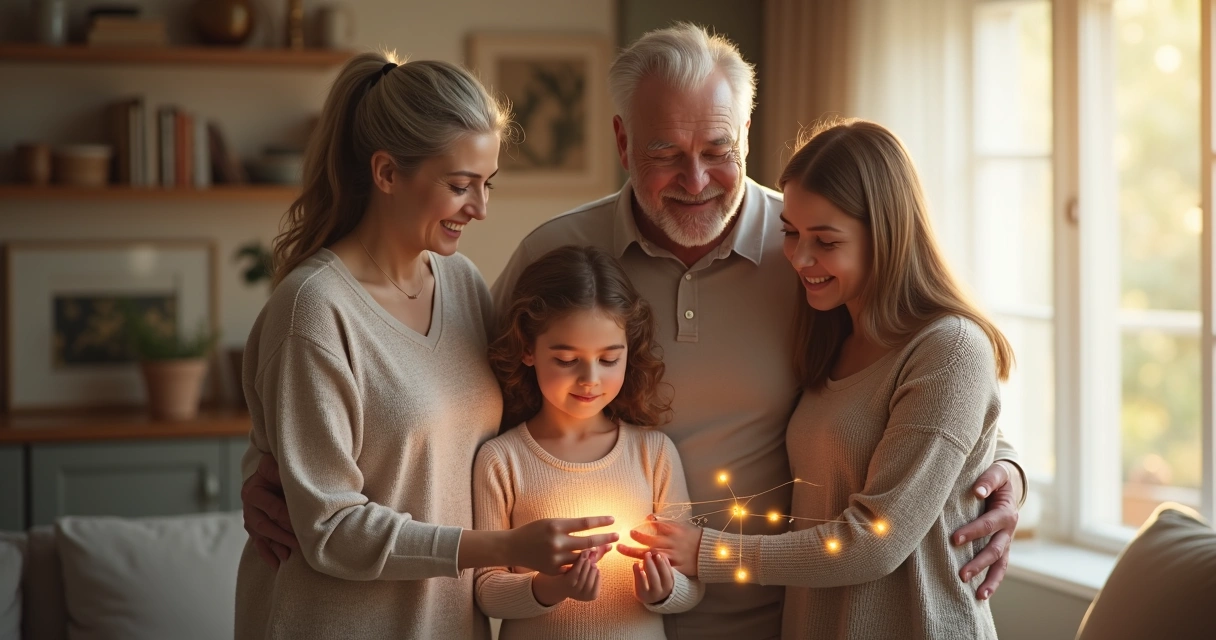
These implicit agreements are not made with words, but with feelings. A child may sense that being too happy or too successful would somehow betray the family, especially if past generations experienced hardship or loss. Out of love and belonging, the child might hold themselves back. This is unconscious loyalty working in the background.
Types of unconscious loyalty that shape our choices
In our experience, unconscious loyalty takes several shapes. Here are some of the most common:
- Repeating hardship: Feeling a need to experience a similar struggle as other family members—like poverty, illness, or failed relationships.
- Self-sabotage: Holding back from happiness, health, or success if family members have not reached those places themselves.
- What we call "covering" for past generations: Trying to make up for past mistakes or losses, even if they are not our own, by taking on guilt, shame, or responsibility.
- Loyalty to suffering: Turning away from opportunities because happiness or ease would separate us from the family.
- Unspoken promises: Making hidden vows to parents or ancestors—such as “I will never leave you alone” or “I will carry your pain for you.”
These patterns often only become clear when we begin to look at them with a certain curiosity. They can persist for decades, unnoticed but powerful.
How unconscious loyalty shows up in daily life
Sometimes, it appears in very ordinary ways. For example, someone might choose a career that they don’t enjoy because it is "the family way." Another person might repeatedly enter relationships where they are not treated with respect, mimicking dynamics from childhood.
We have seen people feel inexplicable guilt or shame when things begin to improve in their lives. Others find themselves carrying the emotional burdens of parents or siblings, long after leaving home.
Unconscious loyalty whispers, "Do not outshine" or "Do not be different"—and this quiet voice can shape careers, love, and even our sense of who we are.

Why do we remain loyal even when it hurts?
The drive for belonging is one of our strongest psychological needs. From birth, we depend on our family for survival, protection, and identity. In return, we "pay" for that sense of belonging by adopting the attitudes and feelings of the people we love most.
For many of us, not belonging to the family feels unbearable. That sometimes means repeating behaviors—even painful ones—rather than risking being different. We may hope, deep inside, that if we carry the pain, the family will finally heal, or we will finally be "good enough."
Unconscious loyalty is love disguised as sacrifice.
Can we change unconscious loyalty?
This can feel overwhelming at first, but the answer is yes. We believe change begins with bringing these hidden loyalties into awareness, not through blame, but through honest observation.
It helps to recognize patterns that repeat across generations. Questions such as "Whose story am I really living?" or "Where am I repeating old family journeys?" begin to open the door to awareness.
Once we identify patterns, we can start to make choices from a different place. We can honor the family, but no longer need to carry the same limitations. Forgiveness, compassion, and sometimes gentle breaks from family traditions open up room for new ways of living and being.
Growing beyond inherited patterns
When we see our unconscious loyalty at work, it can bring up strong emotions. Sometimes, this awareness is the first step to freedom. We think that honoring our family means loving them enough to become ourselves.
The journey from unconscious loyalty to conscious choice is not about rejecting our family. On the contrary, it is about including their struggles, accepting what was, and allowing ourselves to grow beyond what was possible for them.
This process might involve:
- Reflecting on family stories and repeating themes
- Asking open questions about our feelings and decisions
- Seeking support from trusted people to witness new ways of being
- Practicing self-compassion, especially when guilt or fear appears
- Developing a sense of gratitude for ancestors, while releasing what no longer fits
It is not easy. But a life shaped by awareness instead of invisible contracts can be rich, open, and deeply fulfilling.
Conclusion
Unconscious loyalty binds us in silence, but with awareness, we find the freedom to shape our own future. Each step we take toward understanding our hidden patterns is a step toward genuine belonging—to ourselves, to our family, and to a future we can choose for ourselves.
Frequently asked questions
What is unconscious loyalty in families?
Unconscious loyalty in families describes the hidden ways we stay connected to our family by repeating their habits, beliefs, or struggles, even when it is not helpful for us. This behavior is not intentional and often happens without our awareness, but it shapes our choices and the direction of our lives.
How do family systems influence choices?
Family systems send unspoken messages about what is acceptable through daily interactions, traditions, and emotional responses. These systems create invisible rules—sometimes known as family myths—that guide our decisions about relationships, success, values, and roles in life. Over time, these hidden influences can become so normal to us that we do not question them.
Can I change unconscious family loyalties?
Yes, unconscious loyalties can change. The first step is always becoming aware of them. When we notice and name the patterns, we can begin to make new choices that respect our family but allow us to create our own path.
Why do we develop unconscious loyalty?
Unconscious loyalty develops out of a desire to belong and be loved. As children, we want to stay connected to our family and gain acceptance. Often, we adopt family beliefs, struggles, or behaviors as an unspoken way of staying loyal—even when those ways do not serve us in adulthood.
How to recognize unconscious family patterns?
To recognize unconscious family patterns, pay attention to repeated experiences in your life that feel "stuck" or difficult to change. Look for situations where your choices seem to mirror those of family members, even if you wish to act differently. Reflecting on family stories, journaling about your feelings, and talking with trusted friends can help bring these patterns into awareness.