

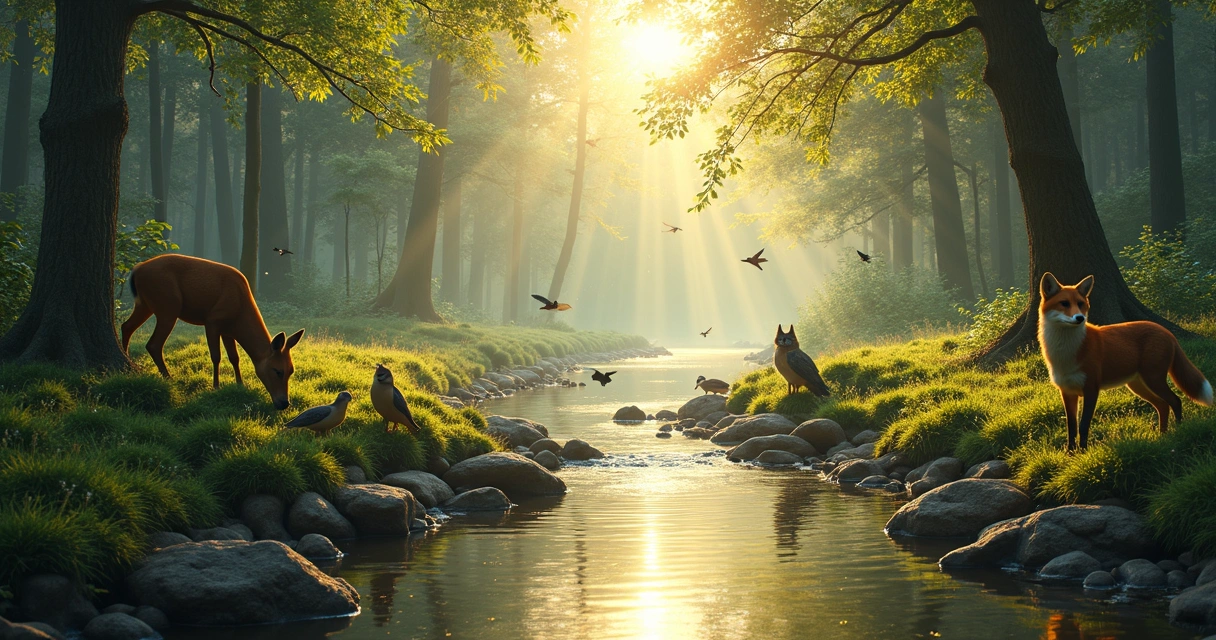
Nature is all around us, and we can learn more than survival from its patterns. In our lives, we often search for ways to coexist peacefully and make responsible decisions about our own impact. We believe that, by watching how life interacts in forests, oceans, and fields, we find deep lessons about community, balance, and growth. Here, we want to share seven lessons that nature reveals about coexistence and the impact of our choices.
Interdependence connects every life
One of the most powerful lessons comes from how all elements in an environment depend on one another. Nothing in nature stands alone; everything is connected in a web of relationships. Consider a single old tree in a forest. Its roots not only gather water but also share nutrients with nearby trees, even across different species, through underground fungal networks. Leaves provide shade, branches offer nests, and fallen debris enriches the soil. By noticing these relationships, we see that every action has ripple effects—often unseen at first.
We thrive together, or not at all.
In our lives, our actions impact others even if we do not notice immediately. When we understand our place in a greater web, we realize that caring for others benefits us as well.
Diversity builds true resilience
In the wild, the healthiest systems are not those with just one dominant species, but those with a variety of organisms playing different roles. A coral reef with hundreds of fish, plants, and animals will recover faster from a storm than a reef dominated by a single species. Each unique participant adds a layer of strength, even if its role appears small.
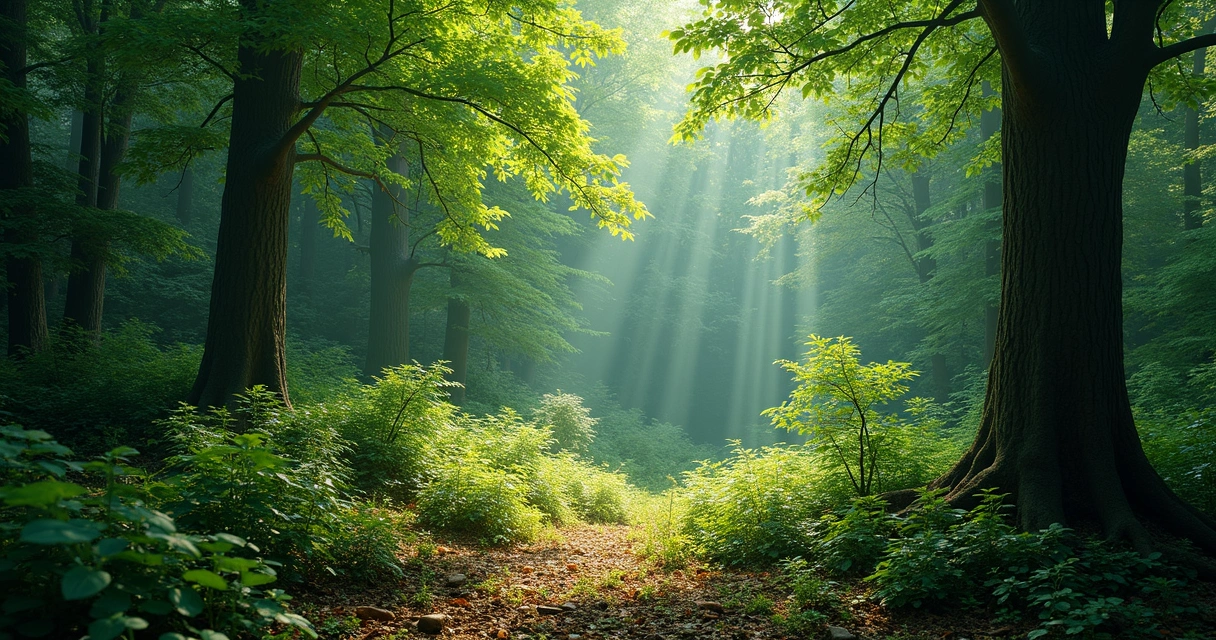
We have noticed that communities and teams mirror this lesson from nature. When we appreciate differences and include many voices, we create resilient systems that can handle challenges together.
Balance is always in motion
Nature does not aim for strict uniformity or absolute stillness. Instead, settings like wetlands, grasslands, and forests are always balancing: water levels rise and fall, animal populations grow and dwindle, seasons shift. This dynamic movement keeps the whole system healthy. Too many predators, and prey disappear. Too much rain, and roots rot. Both excess and lack throw things off.
We recognize that striving for strict control creates problems, while learning to adapt allows for healthier coexistence. Life flourishes when it can adjust and respond, not when it tries to freeze conditions in place.
Cooperation wins over competition
The story of nature is not only survival of the fittest, but also survival of the kindest. We have found beautiful images of collaboration: birds cleaning crocodile teeth, plants attracting pollinators, or wolves and ravens hunting together. These partnerships allow individuals and groups to do what would be impossible alone.
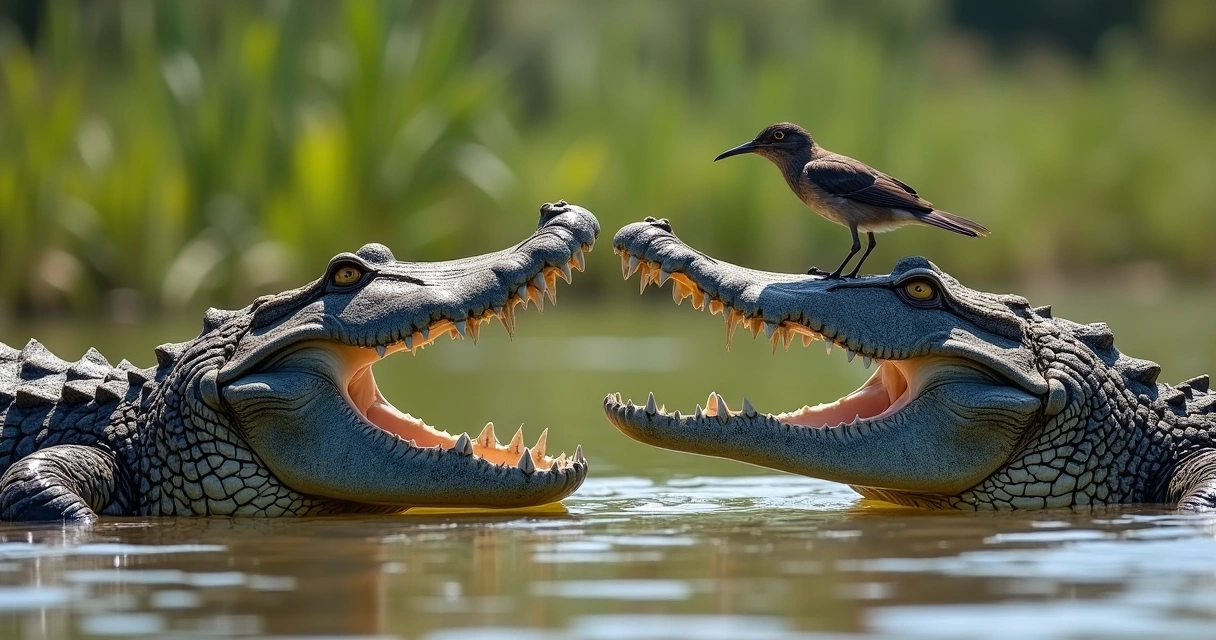
In our experience, recognizing shared interests—rather than only personal gain—brings about more meaningful and long-lasting progress.
Boundaries create healthy space
Within any ecosystem, we observe boundaries: rivers define banks, birds protect their nests, and plants shade only certain areas under their leaves. These boundaries are not rigid, but they keep peace by respecting the space each being needs to grow, rest, or recover. Where boundaries are ignored, conflict appears—just as invasive species overwhelm others when they do not respect these natural limits.
We see that, by honoring where we end and another begins, mutual respect grows. Healthy boundaries do not isolate; instead, they create the right conditions for trust and respectful coexistence.
Every role, no matter how small, matters
Nature is full of unsung heroes: earthworms aerate fields invisibly, ants clean up fallen leaves, and fungi break down dead wood for all to benefit. While some residents stand out, most quietly support the whole system.
We often notice our impact in grand gestures, but it is the small, daily actions—picking up litter, planting native seeds, sharing a kind word—that quietly change the present and the future. Every action, no matter its size, is part of something greater.
Regeneration is always possible
After fire burns a prairie, wildflowers soon bloom. If a damaged river is left to heal, new life often returns. Nature shows us that even after hardship, there is a chance to restore, repair, and begin anew.
We keep in mind that our impact is not always final. With intention and patience, we can choose healing—both for ourselves and for our world.
Conclusion: Our choices shape shared evolution
As we reflect on these seven lessons, we see that nature is not just a background, but an ongoing teacher. We find guidance to practice kindness, respect boundaries, work together, and believe in renewal. Every day brings a new opportunity to question how our decisions ripple outward, connect us to others, and help shape a healthier community.
Nature’s lessons are always available. We just need to notice.
Frequently asked questions
What does nature teach about coexistence?
Nature teaches us that coexistence is built on respect, cooperation, balance, and mutual support among all living things. Life thrives when relationships and boundaries are honored, and each participant plays a meaningful role. We see that well-balanced natural systems allow different organisms not just to survive, but to flourish together.
How can nature inspire sustainable living?
We think that observing how nature reuses resources, maintains dynamic balance, and supports diversity can inspire us to live more sustainably. By taking only what is needed, returning resources when possible, and thinking about long-term impacts, we follow nature’s model of renewal and care.
What are examples of nature's impact lessons?
Examples include the recovery of forests after a fire, the way pollinators help plants and are in turn fed, and the resilience of diverse ecosystems. Each example illustrates that actions have ongoing effects, and that cooperation often brings better outcomes than competition alone.
Why is coexistence important in nature?
Coexistence keeps ecosystems stable and healthy because all life forms contribute in unique, necessary ways. When balance is lost—because of over-predation, invasive species, or pollution—the result is usually a decline in health for everyone involved. This shows us the value of living in balance with others.
How do humans impact natural coexistence?
We believe our actions affect the delicate balance of ecosystems, sometimes supporting coexistence through protection and restoration, and sometimes harming it through pollution or habitat destruction. By learning from nature’s lessons, we can adjust our habits to better support the systems we depend on.