

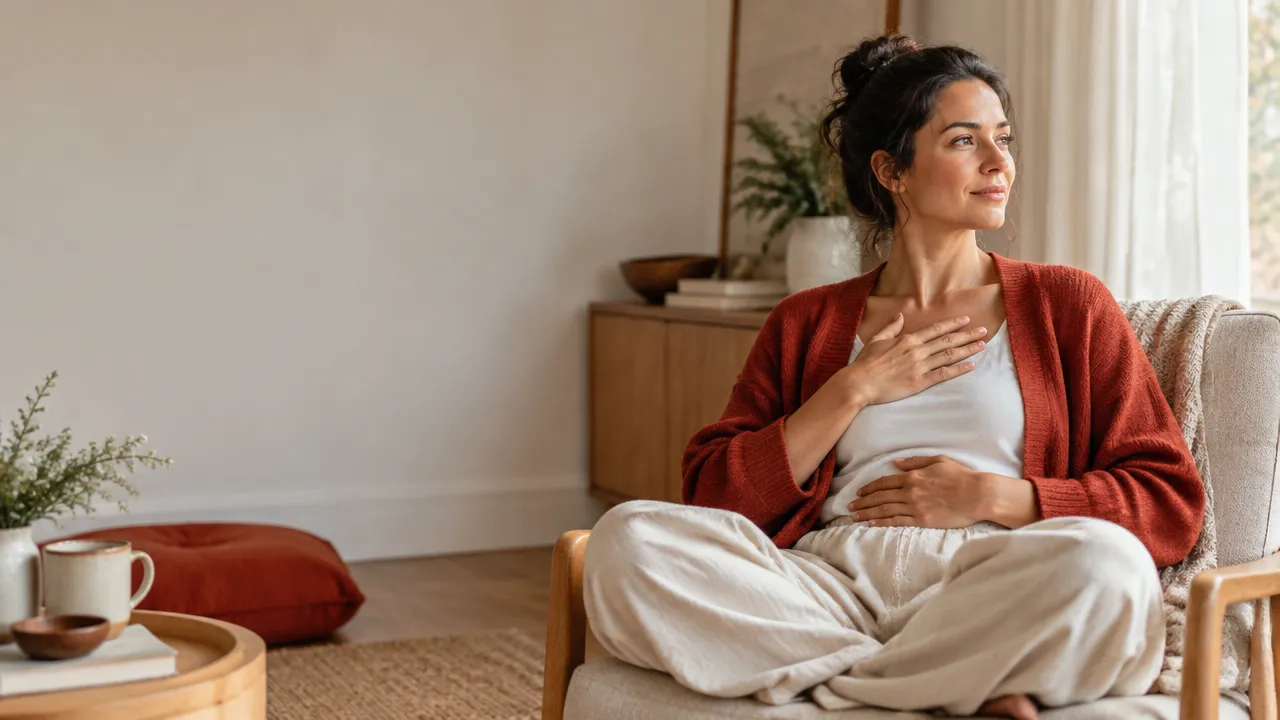
Nervous system regulation is the ability to respond to stress and gradually return toward a workable level of alertness, not a demand to feel calm all the time. If you feel keyed up, numb, or overwhelmed, small practices and supportive surroundings can help you notice what your body needs. The aim is greater choice and recovery, not perfect control.
Key takeaways
- Stress responses are normal; feeling activated does not mean your system is broken.
- Regulation means flexibility, including being able to engage, rest, and recover.
- Try gentle, repeatable tools, and stop if a practice makes you feel worse.
- Predictability, choice, boundaries, and trusted connection can support a sense of safety.
- Persistent or disruptive symptoms are a good reason to seek professional guidance.
What does nervous system regulation actually mean?
Your autonomic nervous system helps manage functions such as heart rate, breathing, and digestion. In a stressful moment, your body may become more alert and ready to act; when the demand passes, it can gradually settle. These responses are not simply a switch between two fixed settings, and activation is not automatically a problem.
A more useful definition of regulation is having enough flexibility to meet the moment and recover afterward. You might feel anxious before a difficult conversation, then become steadier once you have support or a plan. That is different from expecting yourself to remain relaxed through every challenge.
This distinction matters because the goal is not to suppress emotion. Awareness helps you choose what to do next instead of automatically projecting fear, anger, or withdrawal onto other people. For a wider view of this process, explore systemic awareness for anxiety.
What might stress or shutdown feel like?
Stress can show up in thoughts, feelings, and physical sensations, but there is no single checklist that diagnoses a dysregulated nervous system. You might notice a racing mind, muscle tension, irritability, shallow breathing, difficulty focusing, restlessness, or trouble sleeping. Other people feel tired, disconnected, numb, or unable to begin tasks.
Notice patterns rather than judging yourself. Ask: What was happening before this feeling? What changes in my body? What helps even slightly? This turns a vague sense of being “off” into useful information about your needs, boundaries, and environment.
Stress symptoms can have different causes, including health conditions and life circumstances. Avoid treating a social-media label as a medical explanation. If the symptoms are new, intense, persistent, or interfering with everyday life, a healthcare professional can help you assess them.
How can you feel safer in your body right now?
Start with the least demanding option. You do not have to close your eyes, take a deep breath, or focus inward if any of those actions feels uncomfortable. Choose one small cue of orientation or support, and give yourself permission to stop.
- Look around. Name a few neutral details, such as the color of a wall or the shape of a window.
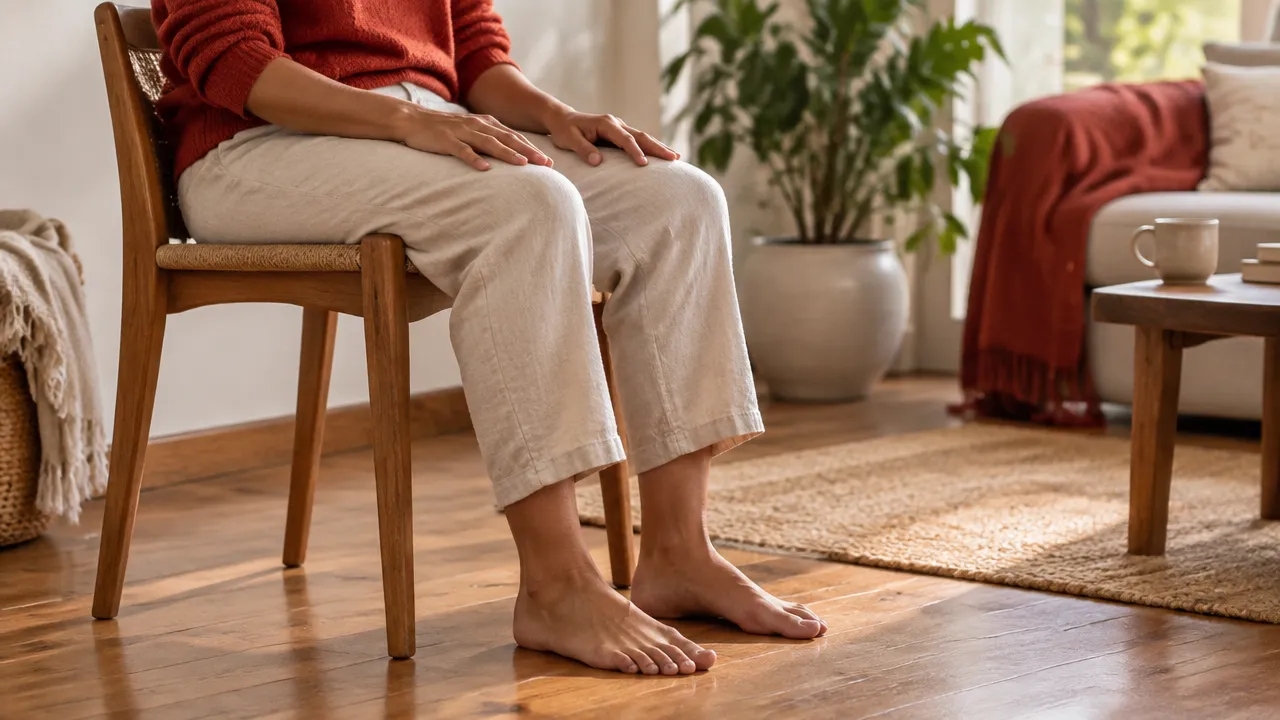
- Feel contact. Notice your feet on the floor or your back against a chair without forcing a particular sensation.
- Make one choice. Adjust your posture, move to a quieter place, or ask for a pause.
- Try an easy breath. If it feels comfortable, breathe gently and let the exhale be unforced. Do not hold your breath or strain.
- Check the effect. Ask whether you feel a little more present, unchanged, or less comfortable. Use that answer to choose your next step.
The NHS breathing guidance recommends a gentle, regular pace rather than forcing a deep breath. If breath-focused exercises increase distress, switch to noticing your surroundings or contact with a stable surface.
Why does safety involve more than calming techniques?
A breathing exercise may help in the moment, but feeling safe also depends on what is happening around you. Unclear expectations, repeated conflict, exhaustion, or a lack of control can keep stress going. A realistic plan may therefore include changing a demand, setting a boundary, asking for help, or making a routine more predictable.
Connection can help too. A trusted person who listens without rushing to fix you may make it easier to feel present. This is not a substitute for personal skills; it is a reminder that people regulate in relationships and environments, not in isolation.
Small acts of emotional responsibility can also change how stress affects others. Pausing before replying, naming what you need, and repairing after a tense interaction are practical ways to reduce the spread of reactivity. Explore daily emotional responsibility as part of this wider practice.
How can you build a steady practice without pressure?
Choose one technique to practice briefly at a relatively settled time, so it is familiar before a difficult moment. You might take a short walk, stretch, listen to a calming sound, or notice five things in the room. Keep the measure of success modest: did you learn anything about what supports you?
Relaxation tools can help some people, but they are not guaranteed treatment. The National Center for Complementary and Integrative Health describes evidence for diaphragmatic breathing as preliminary, including a 2019 review of three studies with 880 participants. Its review of relaxation techniques also notes that some people experience increased anxiety or other uncomfortable reactions.
Track what works for you, rather than chasing a perfect routine. If a practice feels wrong, adapt it or stop. For more persistent stress, consider combining self-care with appropriate professional support. The aim is not to master every feeling, but to meet your inner experience with greater awareness and respond with care toward yourself and others.
Frequently asked questions
What does nervous system dysregulation mean?
Nervous system dysregulation is an informal way to describe difficulty shifting out of prolonged stress, alertness, or shutdown. It is not a diagnosis by itself. Similar experiences can have different causes, so persistent symptoms deserve attention rather than self-labeling or assuming one breathing exercise will resolve them.
How can I feel safer in my body?
Feeling safer in your body can start with small cues of support: notice the room, feel your feet on the floor, choose a posture that feels comfortable, and let your breathing stay natural. You do not need to force calm. If focusing inward feels uncomfortable, look outward or connect with someone you trust.
How can I reset a dysregulated nervous system?
There is no single reset that works for everyone. Try a brief grounding or breathing practice, then notice whether it helps. If it increases panic, dizziness, or distress, stop and choose another approach. Repeated or severe symptoms may need support from a qualified health professional, not just self-help techniques.
What are signs of an overstimulated nervous system?
Feeling keyed up, tense, restless, easily startled, or unable to settle can happen during stress, as can fatigue, numbness, or difficulty concentrating. These experiences are not proof of a specific nervous-system condition. Pay attention to how long they last and how much they affect sleep, relationships, and daily life.
When should I seek professional help for stress symptoms?
Consider speaking with a healthcare or mental health professional when stress reactions persist, interfere with daily activities, or feel hard to manage alone. Seek medical advice for new or concerning physical symptoms. A clinician can help explore possible causes and discuss support that fits your health history and circumstances.