

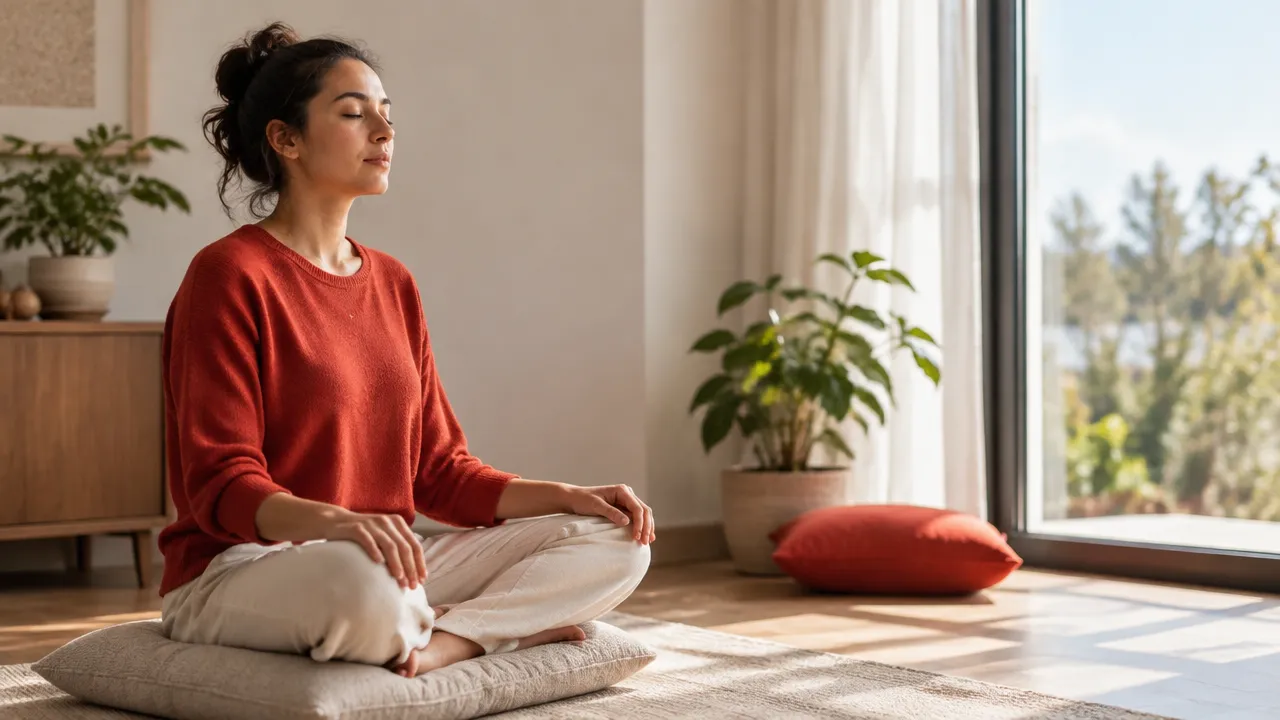
A daily meditation practice can expand awareness by helping you notice thoughts, emotions, and impulses before they shape your actions. It is useful for beginners and experienced practitioners alike, not because it promises constant calm, but because it creates a repeatable pause between an inner reaction and an outward choice.
Key ideas to take into your practice
- Meditation trains attention; it does not require an empty mind.
- Awareness grows through noticing and returning, not through perfect concentration.
- A short, repeatable session is a practical place to begin.
- The clearest test is whether greater awareness supports more deliberate choices in daily life.
- If a practice increases distress, pause, adapt it, or seek qualified support.
Meditation builds awareness by showing you what is already happening
Meditation is a practice of directing attention and noticing experience as it unfolds. You might focus on breathing, bodily sensations, a sound, or a phrase. When attention wanders, you recognize that it has wandered and gently return to your chosen focus.
That return is part of the practice, not a sign that you have failed. Thoughts can continue to arise. The aim is to see them as thoughts rather than automatically treating each one as a fact, command, or complete description of who you are.
This distinction matters beyond the session. Noticing irritation before speaking, for example, gives you a chance to consider what response fits your values. A practice centered on emotional clarity can offer another way to explore that connection through focused meditation techniques.
Awareness grows through repetition, not perfect concentration
The useful measure of meditation is not whether your mind stays quiet. It is whether you become more able to notice what is happening and choose your next response with care.
A simple example: you receive a terse message and immediately feel accused. During or after a brief sit, you notice the tightness in your body and the story forming in your mind. That awareness does not prove your interpretation is wrong, but it gives you room to check before replying in anger.
Over time, this kind of pause can help reveal recurring reactions: withdrawing during conflict, blaming yourself automatically, or assuming another person meant harm. The practice does not erase these patterns. It can make them easier to recognize, which is a first step toward responding differently rather than repeating them unconsciously.
A simple daily routine can make the practice sustainable
Start with a small session that fits your actual day. Five minutes is enough to learn the basic rhythm: settle, choose an anchor, notice distraction, and return without scolding yourself.
- Choose a regular cue. Sit after waking, before lunch, or at another reliable transition.
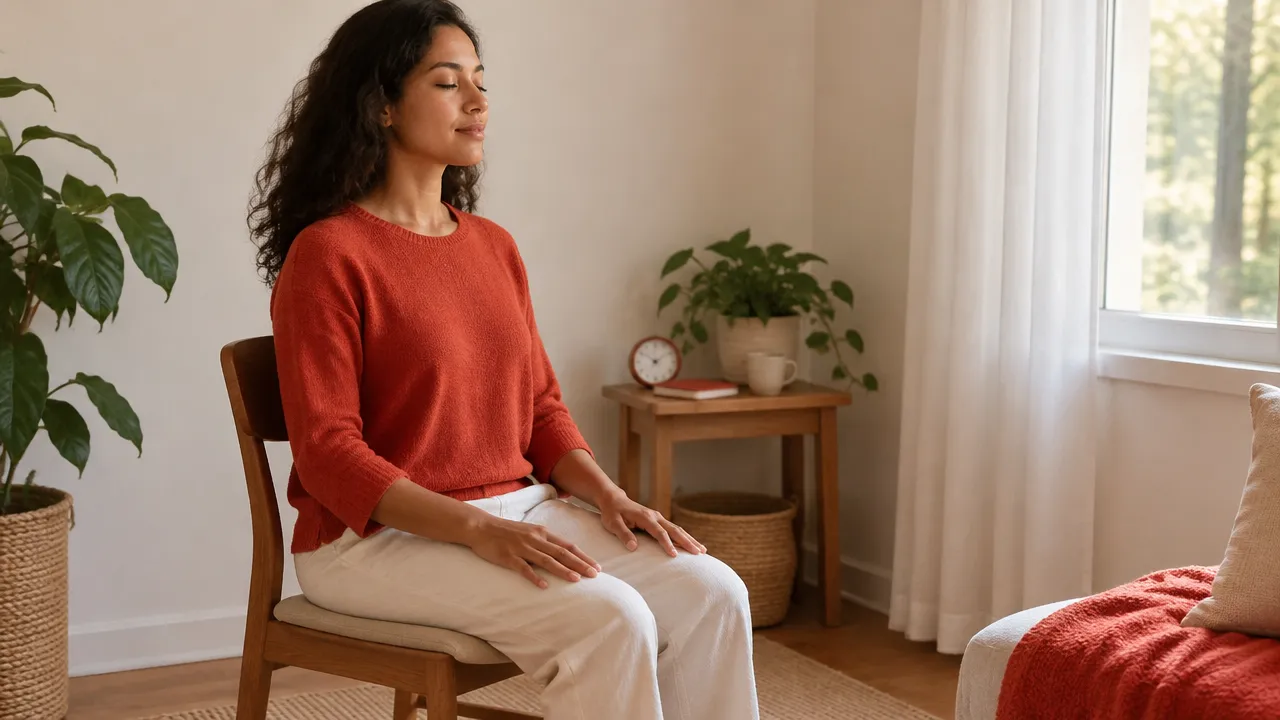
- Get comfortable and alert. Use a chair or cushion, keep your back at ease, and let your hands rest.
- Pick one anchor. Notice the sensation of breathing, sounds in the room, or contact between your feet and the floor.
- Name distraction lightly. When you notice planning, remembering, or judging, acknowledge it and return to the anchor.
- Close with one observation. Notice how you feel, then choose one quality to bring into your next interaction.
Do not turn the routine into another standard to punish yourself with. If you miss a day, resume the next time you can. A guide to integrating meditation into daily routines can help you adapt the practice to your existing habits.
Choose a method that supports the awareness you want to develop
There is no single technique that suits everyone. Start with a method that feels manageable, then assess whether it helps you pay attention without becoming rigid or overwhelmed.
- Breath awareness: Use the changing sensations of breathing as an anchor.
- Body scan: Move attention gradually through different parts of the body.
- Sound awareness: Notice nearby sounds as they appear and fade.
- Loving-kindness practice: Silently offer wishes of well-being to yourself and others.
- Guided practice: Follow spoken instructions when structure helps you begin.
You can try a method for several sessions without expecting an instant result. If focusing on the breath feels uncomfortable, choose an external anchor such as sounds or the feeling of your feet on the floor. The point is not to force a particular inner experience, but to practice noticing with steadiness and openness.
Twenty minutes can help, but it is not a required dose
A 20-minute session gives you more time to settle and notice patterns, but it does not guarantee a particular feeling or outcome. Some days may feel calm; others may bring restlessness or distraction. Those differences do not automatically mean the session worked or failed.
For a beginner, start with five to ten minutes and extend the session only if it remains useful and comfortable. Consistency is easier to sustain when the practice fits your schedule. If sitting still is difficult, try a mindful walk, noticing each step and the surrounding environment without rushing to label it good or bad.
Rather than judging progress by minutes alone, ask what you noticed and whether that awareness influenced a choice later. Recognizing a familiar reaction before acting on it may matter more than completing a longer session while mentally counting the time.
Successful practice shows up in ordinary choices
A meditation session does not need to produce peace, insight, or a special sensation to be worthwhile. A practical sign of growing awareness is catching yourself sooner when attention or emotion starts driving an automatic response.
After a session, you might ask: What was I feeling? What did I assume? What response would be more responsible now? Keep the reflection simple. The goal is not to analyze every thought, but to connect attention with behavior in a way that supports honesty and consideration for others.
Awareness is not the same as self-absorption. Its value becomes clearer when it helps you listen, notice your impact, and take responsibility for how you act. When repeated reactions feel difficult to see clearly, exploring ways to recognize familiar patterns can complement reflective practice.
Pause or adapt the practice if it increases distress
Meditation is not comfortable for everyone in every circumstance. If focusing inward brings up intense distress, panic, troubling memories, or a sense of disconnection, stop the session or switch to an external grounding activity, such as naming objects in the room or walking in a familiar place.
You can also shorten the session, keep your eyes open, or practice with a qualified teacher. If difficult reactions continue or interfere with daily life, talk with a qualified mental health professional. Meditation is a personal practice, not a test of discipline, and choosing a safer approach is a valid form of self-awareness.
Frequently asked questions
What happens if you meditate for 20 minutes every day?
Twenty minutes can give you enough time to settle, notice where attention goes, and practice returning without judgment. You may feel calmer or more focused afterward, but experiences vary, and benefits are not guaranteed. A shorter practice done consistently can be more workable than a long session that feels forced.
What is the best time to meditate?
The best time is the time you can return to regularly. Morning practice may help you begin the day with a deliberate pause, while an evening session can create space to reflect. If you feel sleepy at night, try sitting earlier or choosing a posture that helps you stay alert.
What are the signs that meditation is successful?
Signs of a useful practice include noticing distraction sooner, recognizing an emotion before reacting, and returning to the present without harsh self-criticism. You do not need to feel peaceful or have an empty mind. Progress often appears in ordinary choices after the session, not in dramatic experiences.
When should you not meditate?
Pause or modify the practice if it intensifies panic, distressing memories, or a sense of disconnection. Try opening your eyes, grounding yourself by noticing the room, or taking a walk. If difficult reactions persist or feel overwhelming, seek guidance from a qualified mental health professional before continuing.
What should you do after meditating?
After meditating, take a moment to notice your physical state and the thoughts or feelings that stand out. Then choose one practical intention for the next part of your day, such as listening before responding. There is no special ritual required; a calm transition back to ordinary activity is enough.