


In moments of reflection, especially as we see the world changing around us, many of us ask: How can our individual actions truly shift the course of society? This question sits at the heart of conscious responsibility, a mindful approach to our daily choices that considers not just personal, but collective consequences.
Every habit, every word, and every reaction creates a ripple effect. Whether aware or not, we are architects of tomorrow’s world. To move from unconscious repetition to intentional responsibility is not a single leap, but a daily practice.
The meaning behind conscious responsibility
We see conscious responsibility as the ongoing practice of being aware of how our actions affect others and the ecosystems we depend on. It is much more than just following the rules or avoiding harm accidentally. Instead, it is about recognizing that each choice either builds a more cooperative, ethical, and peaceful society—or misses that chance.
We do not exist in isolation. Everything is connected.
Why collective impact matters
If we look beyond the surface, we see that our individual actions are threads in a woven tapestry. One person’s effort may seem small, but together, those efforts transform communities, businesses, and the planet itself.
Collective impact is the result of many small, intentional choices repeated by many people over time. When enough people act with conscious responsibility, the culture shifts. New norms emerge. Practices that once seemed rare become common.
10 ways to change collective impact with conscious responsibility
So, how do we move from intention to practice? In our experience, these ten paths help change not just personal habits, but collective outcomes:
- Pause before reacting Taking a moment before responding allows us to check whether our actions align with our values. This space fosters empathy and helps prevent harm done in haste.
- Seek to understand, not to judge In conversations, especially when emotions run high, we find deep value in asking questions and listening first. Understanding another’s perspective can bridge differences and build trust.
- Reflect on your daily choices Every purchase, interaction, or message is a vote for the world we want. When we pause to consider the source of our food, how we treat others, or the intentions behind our words, we begin to live more consciously.
- Practice gratitude and express appreciation Small acts of gratitude uplift not just the recipient, but everyone who witnesses that kindness. Recognition builds a culture of respect and dignity.
- Engage in honest self-inquiry Regularly checking in with ourselves is key. We ask, “What motivates me in this moment?” “Am I acting out of fear, or connection?” This kind of inquiry often changes our behavior over time.
- Support cooperative actions When facing group decisions, we encourage sharing responsibility, offering help, and celebrating everyone’s contributions. Teams and communities thrive with this approach.
- Adopt ethical decision-making Ethical choices sometimes require extra effort, research, or courage. By acting in ways that respect universal values like honesty, fairness, and non-violence, we shape a more just world.
- Invest in emotional maturity Responding with patience, self-restraint, or compassion is not always easy. In our experience, growing our emotional skills makes a real difference in collective outcomes.
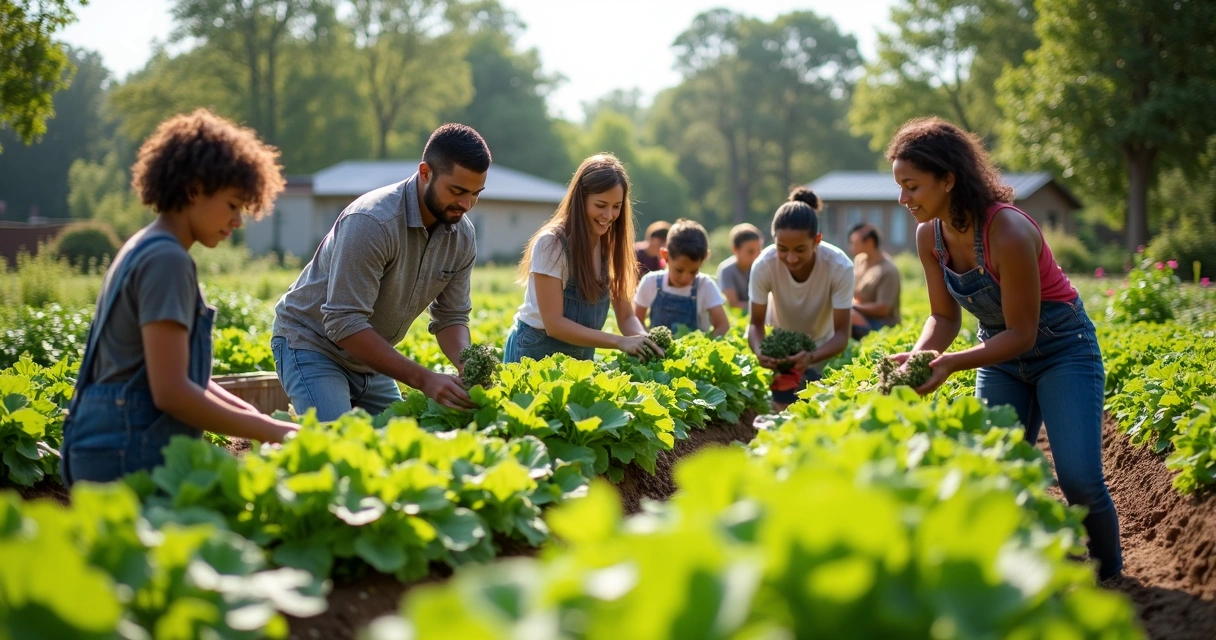
- Contribute to shared goals Joining efforts for community improvement, environmental care, or inclusive policies multiplies our impact. When we work together, the results are both larger and more sustainable.
- Model conscious responsibility for others Children, peers, and strangers are always observing. The way we own our mistakes, repair harm, or share credit becomes a lesson. We notice this ripple spreading in surprising ways.
The slow power of small actions
It’s easy to feel that lasting, positive change must come from something dramatic. In fact, transformation almost always starts quietly, inside daily routines. When one person speaks kindly in a tense moment or sorts out recycling at work, it sets a new standard.
Over time, we have seen how those everyday moments gather force. Like water flowing over stone, repeated acts of conscious responsibility shape new pathways.
Culture shifts one conversation, one decision at a time.
When intention becomes movement
There are moments when a group, a team, or even a city collectively pays attention. People act from awareness, not habit. When this happens, we see a shift: more respect, more equity, more peaceful solutions.
The intention behind our actions is just as powerful as the action itself. When we act with clear intentions, the impact grows—from a family dinner, to a neighborhood cleanup, to peaceful protests that change laws.
Conclusion
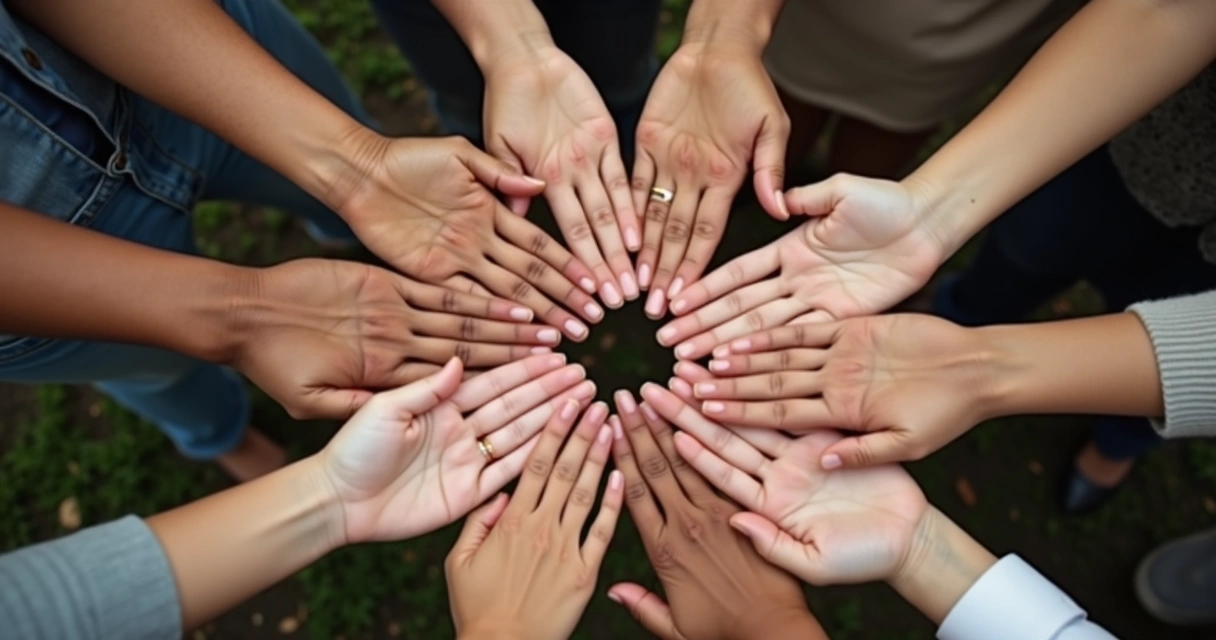
We believe that the path to a better world is paved with moments of conscious responsibility. It is not accidental. It is not guaranteed. But it is always possible, and it begins inside each of us, shaping every word, gesture, and agreement.
Small steps, done together, create outsized results. Each day is a new opportunity to notice our impact—and to choose, again, to build a more conscious and responsible society.
Frequently asked questions
What is conscious responsibility?
Conscious responsibility means being aware of how our actions affect others and the environment, and choosing to act in ways that support collective well-being. It moves beyond simply following rules, asking us to reflect on intention, impact, and ethical values in every decision.
How to improve collective impact?
To improve collective impact, we can:
- Pause before reacting to become more intentional.
- Listen deeply to others to build mutual understanding.
- Support cooperative projects or community efforts.
- Choose ethical and responsible options, even in small moments.
Why is collective impact important?
Collective impact matters because it shapes the future we all share. When people contribute consciously, the results are more equitable, sustainable, and positive. Problems that seem too big for any one person become manageable when addressed together.
What are examples of conscious responsibility?
Examples include:
- Choosing to recycle and reduce waste.
- Apologizing when we make a mistake.
- Supporting local, ethical businesses.
- Helping a neighbor without expecting anything in return.
- Giving credit and recognition to others in a group.
How can I adopt conscious responsibility?
Start by paying attention to your actions and their ripples. Reflect on how your words, purchases, and habits affect others. Pause, ask questions, and choose with intention. Over time, these steps build new, more responsible patterns that strengthen collective well-being.